
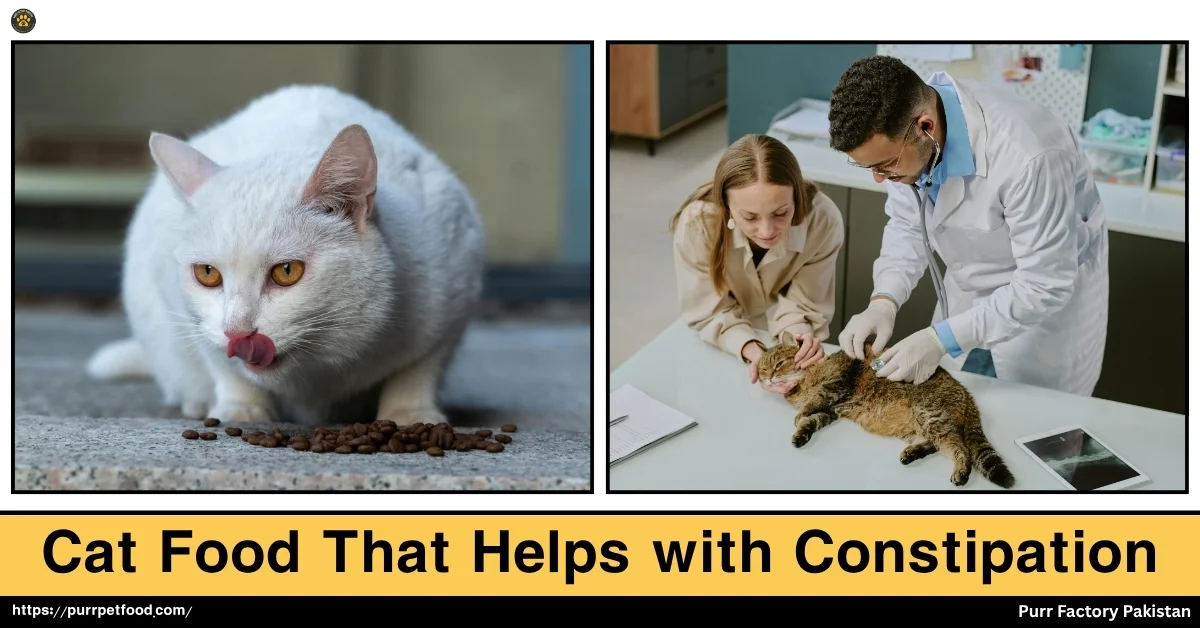
Cat Food That Helps with Constipation
Cat Food plays a bigger role in your cat’s health than most owners realize, especially when it comes to digestion.
One of the most common issues cats face is constipation, where stools become hard, dry, and difficult to pass.
This condition doesn’t just cause discomfort; if ignored, it can lead to more serious problems like loss of appetite, lethargy, or even intestinal blockages.
The good news is that diet adjustments can often solve the problem without medication.
By choosing the right food, you can help your cat maintain regular bowel movements, stay hydrated, and avoid painful trips to the litter box.
The focus should be on ingredients that add fiber, increase moisture, and support gut health naturally.
Understanding which foods and nutrients make a difference is key for both prevention and long-term digestive care.
Cat Food That Helps with Constipation
In this guide we will explain the best types of Cat food for constipation, the ingredients that matter, and practical steps you can take to keep your cat healthy and comfortable.
Why Constipation Happens in Cats
Constipation occurs when stool becomes too dry or compact to pass comfortably. Cats are especially prone to it because they naturally have low thirst drives.
If their diet lacks moisture or fiber, stool moves slowly through the intestines. Over time, this leads to hard and dry feces that are difficult to pass.
Other common reasons include insufficient water intake, low activity levels, or diets heavily focused on protein with no fiber balance. Hairballs from grooming also block digestion and slow down stool movement.
Older cats, overweight cats, or those with kidney or digestive problems often face constipation more frequently.
While medical issues can play a role, in most household situations, constipation starts with diet. Understanding this connection allows cat owners to take early steps in preventing and correcting the condition.
Signs Your Cat Might Be Constipated
Cats cannot speak, but their behavior shows clear signs of constipation. One of the most common indicators is straining in the litter box with little or no stool produced.
When stool does pass, it is often small, dry, and hard. A constipated cat may also visit the litter box repeatedly without success.
Other signs include reduced appetite, decreased energy, or even mild vomiting due to digestive discomfort.
Some cats become restless or avoid the litter box altogether because they associate it with pain. If your cat skips bowel movements for more than two days, that’s a strong warning sign.
Owners should observe not only the frequency but also the appearance of stool.
Consistent monitoring helps in identifying constipation early, and diet changes can be made before the problem becomes severe.
How Cat Food Helps Relieve Constipation
The right cat food addresses constipation by balancing hydration, fiber, and gut support. Moisture-rich food prevents stools from drying out, making them softer and easier to pass.
Fiber provides bulk and helps the intestines push stool forward. Soluble fiber absorbs water, while insoluble fiber adds structure, and together they regulate stool formation.
High-quality cat foods also include prebiotics and probiotics that keep the gut microbiome healthy. This promotes better digestion and more regular bowel movements.
In some cases, foods with moderate fat content also help because fat naturally lubricates stool.
Simply put, food can either slow down digestion if it lacks these key elements or help restore balance if chosen correctly.
For most cats, food adjustments are the safest and most natural way to relieve constipation.
Ingredients That Help Cats with Constipation
Certain ingredients in cat food are particularly effective for preventing constipation. Pumpkin is widely used because it provides natural fiber without upsetting digestion.
Beet pulp is another important ingredient found in many veterinary diets, as it offers a balance of soluble and insoluble fiber.
Psyllium husk works as a bulking agent, helping stool move smoothly through the intestines.
Prebiotics like chicory root or fructooligosaccharides and probiotics such as Lactobacillus support healthy gut bacteria.
Moisture is equally important, so foods with high water content or broth bases work well. Cats also benefit from moderate fat levels, which provide natural lubrication.
When reviewing labels, owners should look for a combination of these ingredients instead of only one fiber source.
A balanced mix ensures stool is soft but not watery, promoting regular and comfortable bowel movements.
Best Types of Cat Food for Constipation
Not all cat foods serve the same purpose. For constipation, several types stand out. High-fiber dry food supports stool bulk and encourages passage.
These are usually labeled as “digestive care” or “hairball control” formulas. Wet food is another effective option because of its moisture content, which softens stool and prevents dehydration.
Veterinary prescription diets are designed for cats with chronic or severe constipation. These formulas balance fiber levels carefully and often contain psyllium or beet pulp.
Limited ingredient diets can also help if constipation is related to food sensitivities, as they reduce digestive strain.
A practical approach for most cats is combining moisture-rich wet food with a fiber-inclusive dry food, ensuring a balance between hydration and digestive support.
Owners should choose the type of food based on their cat’s condition and lifestyle.
Top Recommended Cat Foods for Constipation Relief
Several brands are recognized for their digestive support formulas. Hill’s Science Diet Perfect Digestion includes pumpkin and prebiotics, making it suitable for regulating stool consistency.
Royal Canin Digestive Care offers a fiber mix and kibble shape that improves chewing and digestion. Purina Pro Plan Veterinary Diets EN Gastroenteric is widely used in veterinary clinics because it combines digestible fiber with balanced protein and fat.
Blue Buffalo True Solutions Digestive Care is a wet food option rich in pumpkin and moisture, supporting hydration and stool softening.
Wellness CORE Digestive Health provides probiotics and moderate fat, helping both stool lubrication and gut balance.
These foods are well-known because they consistently help cats maintain regular bowel movements.
However, the best choice depends on each cat’s individual needs, and consulting with a veterinarian before switching diets is recommended.
Wet Food vs. Dry Food for Constipation
Both wet and dry cat food have roles in managing constipation. Wet food has a high moisture content, usually around 70–75%, which naturally softens stool and keeps cats hydrated.
This is especially useful for cats that do not drink much water on their own. Dry food, on the other hand, is convenient and often formulated with added fibers that bulk up stool and promote gut movement.
The downside is its low moisture content, which can contribute to harder stool if the cat is not drinking enough water.
For constipation relief, wet food generally has a stronger effect because hydration is critical. However, combining both wet and dry food creates a balanced diet with moisture and fiber.
This combination is practical for long-term digestive support and prevents constipation from returning.
Home Remedies to Support Cat Food Changes
Along with switching to constipation-friendly cat food, small home adjustments can make a big difference. Adding water or unsalted chicken broth to dry food increases hydration.
A teaspoon of pumpkin puree (unsweetened) mixed into meals provides natural fiber. Encouraging play and exercise helps stimulate the digestive system, keeping stool movement regular.
Providing multiple water bowls or using a cat water fountain encourages cats to drink more. Owners should also maintain a consistent feeding schedule, as irregular feeding can disrupt digestion.
These remedies are safe to combine with a proper cat food plan and often enhance the results of dietary changes.
They work best when used regularly and can prevent constipation from becoming a recurring issue.
When to See a Vet
Dietary changes often solve mild constipation, but veterinary care becomes necessary in certain situations. If a cat has not passed stool in more than three days, medical evaluation is required.
Signs such as blood in the stool, severe straining, or vocalizing in pain during bathroom attempts indicate more serious problems.
Additional warning signs include weight loss, vomiting, or complete loss of appetite. Chronic constipation may also point to underlying health conditions like megacolon, kidney disease, or blockages that food alone cannot solve.
In these cases, a vet may prescribe laxatives, stool softeners, or a prescription-only diet. Acting quickly is important, as untreated constipation can lead to complications that are harder to treat.
Owners should always err on the side of caution and seek veterinary advice when symptoms are severe or persistent.
Long-Term Prevention with the Right Cat Food
The most effective way to prevent constipation from returning is consistency in diet and care. Cats thrive on routine, and sudden food changes often disrupt digestion.
A balanced mix of wet food for hydration and dry food with fiber ensures stool stays soft and regular. Providing fresh water at all times and encouraging daily activity supports overall digestion.
Hairball management through grooming or specific formulas also reduces blockages. Supplements with prebiotics or probiotics, if recommended by a vet, can further strengthen gut health.
Once a cat has adjusted to a constipation-friendly diet, it is best to stick with it rather than frequently switching foods.
Long-term prevention relies on stable nutrition, proper hydration, and consistent monitoring of litter box habits.
By focusing on these elements, cat owners can minimize constipation risks and support healthy digestion throughout their pet’s life.
Conclusion
Constipation in cats is a common issue that can cause discomfort and affect overall health if left unaddressed.
The most effective way to manage and prevent it is through proper diet and hydration. Choosing the right cat food that includes fiber, moisture, and digestive support can make a significant difference in stool consistency and regularity.
Wet foods help keep cats hydrated, while high-fiber dry foods add bulk to stools and promote intestinal movement. Ingredients such as pumpkin, beet pulp, psyllium, and probiotics support gut health and improve digestion naturally.
In addition to diet, maintaining consistent feeding schedules, encouraging regular exercise, and providing plenty of fresh water further reduce the risk of constipation.
While home remedies can aid in relief, persistent or severe constipation requires veterinary attention to rule out underlying medical conditions.
By focusing on nutrition, hydration, and lifestyle adjustments, cat owners can effectively prevent constipation, ensure smoother bowel movements, and enhance their pet’s comfort and well-being.
A proactive approach not only addresses immediate issues but also supports long-term digestive health, helping cats stay active, healthy, and happy.