
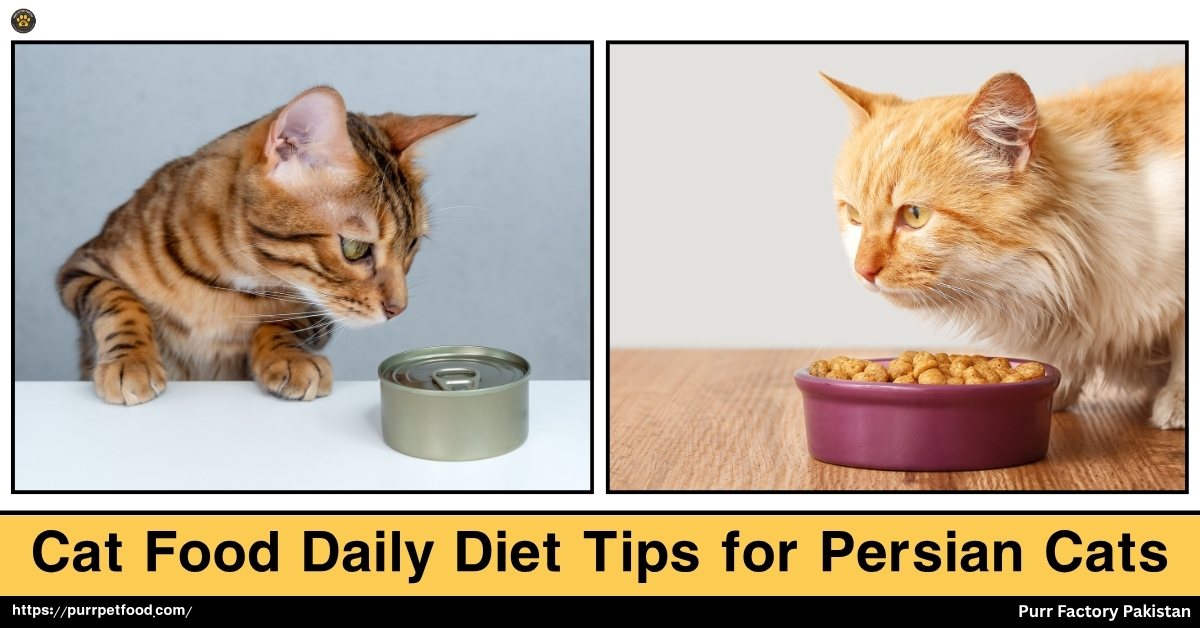
Cat Food Daily Diet Tips for Persian Cats
Cat Food plays a vital role in shaping your Persian cat’s overall health, energy, and appearance. Unlike other breeds, Persian cats have unique dietary needs due to their long coats, flat faces, and slower metabolism.
Their thick fur demands protein and omega-rich nutrition for shine and strength, while their sensitive digestion requires balanced fiber to prevent hairballs and constipation.
Feeding them the wrong food, or feeding inconsistently, can lead to issues like dull coats, obesity, and urinary tract problems.
That’s why it’s important to understand not just what to feed but how to feed from choosing the right type of food to setting up a proper feeding schedule and portion size.
Whether you’re a first-time Persian owner or trying to refine your current feeding routine, knowing the right nutritional facts can make all the difference in your cat’s well-being and mood.
Cat Food Daily Diet Tips for Persian Cats
In this guide, we will explain everything you need to know about Persian Cat Food, daily diet tips, and how to build the perfect meal plan for your feline companion.
1. Understand the Nutritional Basics
The foundation of any Persian cat’s diet is proper nutrition. Persian cats require a balance of protein, fat, carbohydrates, vitamins, minerals, and water.
Protein should come from animal sources like chicken, fish, or turkey because cats are obligate carnivores, meaning they rely on meat for survival.
Ideally, protein should make up at least 25% to 30% of their diet on a dry matter basis.
Protein maintains muscle mass, supports organ function, and fuels fur growth, which is especially important for Persians because of their dense coats.
Fat is another essential component, serving as a concentrated energy source while helping maintain a glossy coat and healthy skin.
The diet should include 15% to 20% healthy fats, preferably with Omega-3 and Omega-6 fatty acids. These nutrients prevent dryness and flakiness in the skin, which Persians are prone to due to their long fur.
Fiber plays a smaller but still important role. It assists digestion, helps move swallowed fur through the system, and reduces the formation of hairballs.
Foods with moderate fiber (around 3%–5%) are ideal. Taurine, an amino acid, is vital for vision, heart function, and overall metabolism.
Since cats cannot synthesize taurine on their own, it must come from cat food.
Hydration is equally important. Persians, due to their flat faces, sometimes drink less water. This increases the risk of urinary and kidney issues, so incorporating wet food and ensuring constant access to clean water is necessary.
Finally, always check that the food is labeled “complete and balanced,” meaning it meets the required nutritional standards for feline health.
2. Types of Food: Pros & Cons
Persian cats can eat various types of food, but each comes with its benefits and drawbacks. Understanding them helps you mix and match the right balance.
Dry food (kibble) is the most common type. It’s convenient, affordable, and easy to store. It also has a mild cleaning effect on teeth, reducing plaque buildup.
However, dry food has very little moisture, so cats who eat only kibble may not get enough hydration. It’s best to choose premium kibble that lists real meat as the first ingredient and avoid fillers like corn or wheat.
Wet food (canned or pouch meals) contains about 70% to 80% water, which helps keep your cat hydrated. It’s also easier to chew, which suits Persians with flat faces or dental issues.
Many cats find wet cat food more appealing due to its aroma and texture. The downside is it’s more expensive per serving and requires refrigeration after opening.
Homemade or cooked diets can be a good option if balanced correctly. They allow you to control ingredients and avoid additives, but they must include supplements to replace essential nutrients.
Consulting a vet or feline nutritionist before switching to a homemade diet is critical to prevent deficiencies.
Raw diets are popular among some cat owners, but they carry a risk of bacterial contamination if not handled properly.
Persian cats with sensitive digestion may not tolerate raw food well.
For most owners, a combination of dry and wet food works best dry food in the morning for convenience and wet food at night to improve hydration.
This hybrid routine helps maintain balance between nutrition, texture, and moisture.
3. Daily Feeding Schedule & Portions
A consistent feeding routine keeps your Persian cat’s metabolism stable and prevents overeating. These cats are naturally less active, so free feeding (leaving cat food out all day) often leads to obesity. Instead, schedule fixed meal times.
For kittens under six months, offer small meals three to four times a day. They burn more calories as they grow, and frequent feeding supports their rapid development.
From six months to a year, you can reduce to three meals per day.
Adult Persians (1–7 years old) usually do well on two balanced meals daily morning and evening. Each meal should provide the right calories for their size and lifestyle.
On average, an adult Persian cat weighing around 4 to 5 kilograms needs about 200 to 250 calories a day. The exact portion depends on the food brand, as some foods are more calorie-dense than others.
Use the feeding chart on the label as a starting point, and adjust based on your cat’s body condition.
Senior cats (7+ years) have slower metabolism and may need fewer calories. They also benefit from softer foods, as dental health often declines with age. Monitor their weight and energy levels to decide if adjustments are needed.
Always measure cat food using a cup or scale to avoid guesswork. Overfeeding by even a small amount daily can cause noticeable weight gain over time.
Treats should never exceed 10% of daily calories, and water must always be available in multiple spots around the home.
4. Key Nutrients & Ingredients to Watch
When choosing cat food, look at the ingredient list instead of the packaging claims. The first ingredient should always be a real meat source like chicken, fish, or lamb.
Avoid foods that start with “meat by-products” or “corn gluten meal.”
Persian cats benefit from high-quality protein sources to maintain muscle tone. Taurine must be listed among the ingredients, as its absence can lead to heart and eye problems.
Fats should include Omega-3 (EPA, DHA) and Omega-6 fatty acids, which keep their coats shiny and skin healthy. These are commonly found in fish oil, salmon, or flaxseed oil.
Carbohydrates are not essential for cats, but small amounts can help with digestion if sourced from peas, pumpkin, or sweet potato.
Avoid high filler foods like corn and soy because they provide calories without nutrients.
Vitamins and minerals are vital too. Vitamin A supports vision, Vitamin E aids the immune system, and B vitamins keep energy metabolism stable.
Minerals like calcium and phosphorus should be balanced for bone and muscle health.
Hydration is another nutrient that’s often overlooked. Because Persian cats may not drink enough, wet food ensures they receive adequate moisture daily.
Always choose foods that specify moisture content of around 70% for canned meals.
5. Avoiding Common Mistakes
Many Persian cat owners unintentionally make diet mistakes that affect their pet’s health. One of the biggest issues is overfeeding.
Persians have slow metabolisms, so they gain weight quickly even with small calorie surpluses. Obesity increases risks of diabetes, joint strain, and heart disease. Stick to measured portions, not free feeding.
Another mistake is ignoring hydration. Cats with flat faces sometimes find it hard to drink from deep bowls.
Use wide, shallow bowls or pet fountains that encourage more drinking. Always keep fresh water available.
A third common problem is sudden food changes. Switching from one brand or flavor to another overnight can upset your cat’s stomach, causing vomiting or diarrhea.
Always transition slowly over a week by mixing small amounts of the new cat food with the old.
Some owners rely too much on treats or human food, which can be harmful. Treats should be limited, and human foods like onions, garlic, and chocolate are toxic to cats. Dairy can also cause stomach upset since many adult cats are lactose-intolerant.
Finally, neglecting label details is a serious oversight. Don’t buy food just because it says “for Persian cats”,check the actual nutrient composition. Look for an AAFCO or FEDIAF statement confirming that the food is complete and balanced.
6. Sample Daily Diet Plan
Here’s an example of a balanced feeding routine for an average adult Persian cat weighing around 4.5 kilograms and living indoors.
- Morning (8:00 AM): 60–70 grams of high-quality wet food containing real chicken or fish as the main ingredient. Wet food helps with hydration and starts the day with digestible protein.
- Evening (7:00 PM): 25–30 grams of premium dry kibble made for long-haired cats. The dry food helps maintain dental health and provides energy through the night.
- Optional mid-day snack (1:00 PM): A small treat or supplement, like a teaspoon of boiled chicken or a vet-approved omega-3 capsule for coat health.
This plan can be adjusted depending on your cat’s age, weight, and energy level. Always monitor their body shape if the ribs are hard to feel, reduce cat food slightly. If the cat feels bony or looks thinner, increase portion size a little.
Keep treats minimal and use them as rewards, not meal replacements. Water should be refreshed at least twice daily, and feeding bowls cleaned to avoid bacteria buildup.
7. Monitoring & Adjustments
Feeding isn’t a “set it and forget it” routine. Monitoring how your Persian cat responds to its diet is key to long-term health. Regularly check their body weight, coat condition, and behavior.
A healthy Persian should have soft, shiny fur, clear eyes, and consistent energy.
If your cat starts gaining weight, reduce daily calories by about 10% and increase playtime or activity.
Obesity can sneak up slowly, so weigh your cat every two weeks using a digital pet scale. If your cat loses weight too quickly, review for possible health issues or low-calorie intake.
Coat and skin changes can also signal diet problems. Dry or flaky skin may mean a lack of fatty acids. A dull coat might indicate insufficient protein or vitamin E.
Persistent hairballs may call for more fiber or regular brushing to remove loose hair before ingestion.
Monitor litter box habits too. Constipation or very hard stools could suggest low water intake or fiber deficiency. Soft stools may indicate food intolerance or sudden diet changes.
f you notice consistent vomiting, diarrhea, or loss of appetite, consult your vet immediately.
Finally, visit your veterinarian at least once a year for a full checkup, including dental and kidney assessments. This ensures your feeding plan continues to support your cat’s overall health.
8. Take-Home Advice
Feeding a Persian cat properly means paying attention to details, not just choosing a popular brand. Focus on quality ingredients, consistent routines, and portion control.
Combine wet and dry food for balance, and make sure every meal provides complete nutrition. Avoid fillers, excessive treats, and abrupt diet changes.
Keep your cat hydrated with accessible water sources and consider a fountain if your Persian doesn’t drink much. Maintain a regular feeding schedule with measured portions rather than leaving cat food out all day.
Watch your cat’s weight, coat, and energy level as key indicators of how well their diet is working.
A good feeding routine is about daily consistency, not expensive food. Choose meals that meet recognized nutritional standards, feed on time, and keep the diet balanced.
Over time, you’ll see the results in your Persian cat’s coat, mood, and vitality.
Proper feeding is a long-term investment in your cat’s health. The effort you put into understanding your Persian’s nutritional needs pays off with fewer vet visits, a stronger immune system, and a happier companion.
Conclusion
A balanced diet is the backbone of a Persian cat’s health, comfort, and longevity. These cats have specific needs due to their long coats, low activity levels, and sensitive digestion, so their food must provide high-quality protein, moderate fat, controlled calories, and plenty of hydration.
Regular feeding schedules, measured portions, and clean water at all times are non-negotiable.
Mixing wet and dry food is often the best approach wet food keeps them hydrated, while dry kibble supports dental health.
Owners should also pay attention to ingredient labels, avoiding cheap fillers and artificial additives that can lead to obesity or dull coats.
Monitoring weight, coat shine, and eating habits helps catch any early signs of nutritional issues. In the end, feeding a Persian cat is about consistency and observation not overcomplication.
The goal is to maintain steady energy, a healthy coat, and a strong immune system through simple, disciplined feeding habits.
A well-fed Persian cat isn’t just healthy it’s content, active, and a reflection of your daily care and understanding.