
Cat food how to prepare Whiskas properly
Cat Food plays a direct role in your cat’s daily health, energy, and behavior, which is why preparing it the right way matters.
Many cat owners assume Whiskas only needs to be opened and served, but proper preparation affects digestion, hydration, and overall nutrition.
Cats respond to smell, texture, temperature, and portion size, so even small mistakes can lead to low intake, picky eating, or stomach issues.
When you prepare Whiskas with the correct steps, the feeding routine becomes consistent and the cat eats with ease.
This introduction sets the base for understanding how to handle Whiskas the right way from start to finish.
Cat food how to prepare Whiskas properly
In this guide we will explain how to prepare Whiskas correctly so you can feed your cat in a consistent, safe, and effective way.
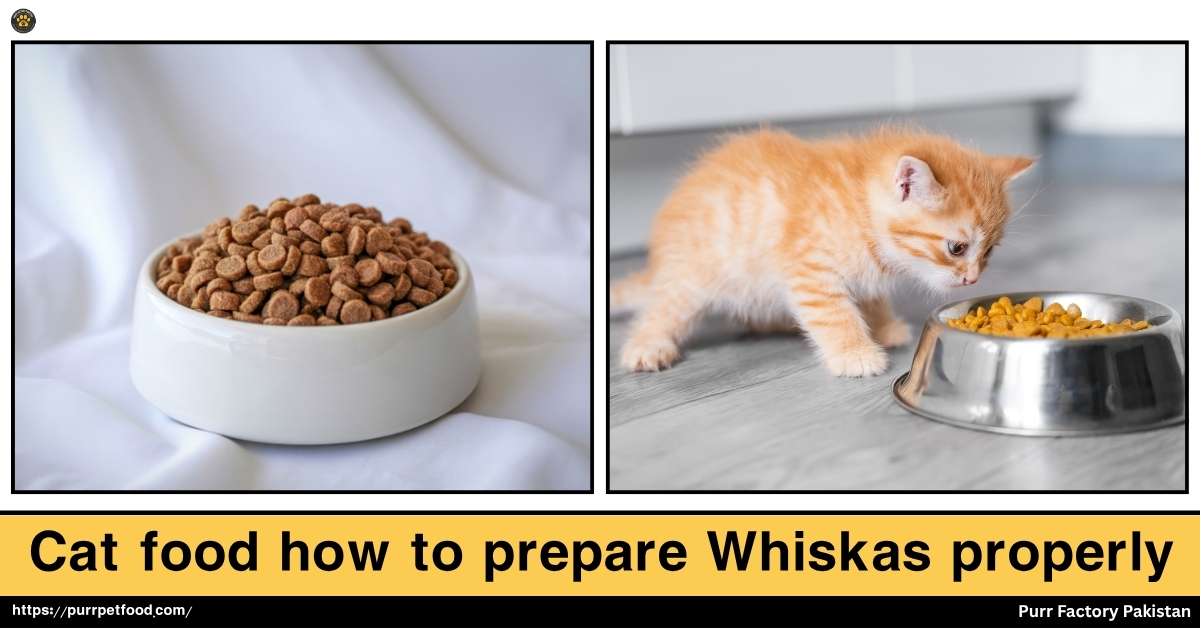
Understand What Whiskas Actually Is
Whiskas is a complete Cat Food brand designed to meet daily nutritional needs for different life stages. It comes in two main forms: dry kibble and wet food in jelly or gravy.
Each formula has balanced protein, fats, vitamins, and minerals. Kitten versions support growth with higher protein and DHA. Adult formulas maintain energy and muscle health.
Senior formulas focus on easier digestion and joint support. Knowing what type you are serving helps you choose the correct preparation method and portion size.
Treat Whiskas as a full meal, not a snack, because the nutrients are designed to replace home-cooked feeding.
Know the Right Feeding Frequency
Feeding frequency depends on the cat’s age and activity level. Kittens need small meals multiple times a day because their stomach is small and metabolism fast.
Adult cats function well on two meals daily. Senior cats benefit from smaller, more frequent servings to support digestion.
A standard routine is 3–4 meals for kittens, 2 meals for adults, and 2–3 lighter meals for seniors.
Frequent but controlled feeding keeps weight stable and prevents overeating. Stick to a schedule because cats rely heavily on routine.
Preparing Whiskas Dry Food Properly
Dry kibble preparation starts with measuring the correct portion. Adult cats typically need 40–55 grams per meal depending on weight.
Use a clean, shallow bowl to avoid whisker discomfort. You can serve the kibble as it is or soften it with 1–2 tablespoons of warm water if your cat prefers softer texture or needs help with hydration.
Never use hot water. Serve fresh and remove uneaten kibble after two hours to avoid staleness. Store the remaining kibble in an airtight container away from moisture.
Preparing Whiskas Wet Food Properly
Wet food must be served at room temperature or slightly warmed. Place the sealed pouch in warm water for one minute to enhance aroma.
Open the pouch, portion the required amount, and spread it evenly on a flat plate. Wet food spoils quickly, so remove leftovers after two to three hours.
If you open a pouch and do not finish it, seal it tightly and refrigerate for up to 24 hours. Always warm refrigerated leftovers slightly before serving by placing the pouch in warm water.
Mixing Dry and Wet Whiskas the Proper Way
If you prefer mixed feeding, keep dry and wet food side by side in the bowl rather than fully combining them.
Mixing too much changes the texture and may cause rejection. Use a small spoon of wet cat food to enhance smell and taste while keeping the kibble crisp.
This method increases hydration and taste acceptance without adding unnecessary calories. Monitor your cat’s response and adjust the ratio slowly.
Preparing Whiskas for Kittens
Kittens require Whiskas Kitten formula only. The kibble can be softened with warm water to support early chewing.
Serve small, fresh portions throughout the day. Wet kitten food should be mashed lightly for easy eating and replaced quickly if left uneaten.
Keep portions small because kittens lose interest when food sits too long. Always provide access to clean water.
Preparing Whiskas for Senior Cats
Senior cats need softer textures and controlled portions. Soften dry kibble with warm water or rely more on gravy-based Wet Cat Food.
Senior Whiskas formulas support lower activity levels and help digestion. Keep meals smaller but slightly more frequent.
Warm the food to improve smell because older cats experience reduced scent sensitivity. Monitor chewing and adjust texture as needed.
Hydration: An Overlooked Part of Preparation
Cats naturally drink less water, so hydration must be supported through feeding. Wet food increases water intake, but dry-fed cats need additional water sources.
Place two or more water bowls around the home, always clean and filled with fresh water. Wide bowls reduce Whisker stress.
Adding a tablespoon of warm water to dry food can support hydration without changing the meal completely.
Food Safety and Hygiene
Food hygiene affects health and feeding acceptance. Wash cat food bowls after every meal to prevent bacteria buildup. Use stainless steel or glass bowls rather than plastic.
Store dry food in airtight containers to maintain aroma. Keep wet food refrigerated only for short periods after opening.
Discard any food left out too long. Hygiene also includes keeping feeding areas clean and away from pests, insects, and dust.
Feeding Environment Matters
Cats avoid eating in noisy or stressful places. Place food bowls in quiet corners away from loud appliances and foot traffic. Keep the bowl far from the litter box.
Elevated feeding positions can help some cats maintain a comfortable posture. A calm feeding environment leads to steady eating behavior and reduces anxiety.
Troubleshooting: If Your Cat Rejects Whiskas
If your cat refuses food, check temperature, freshness, and bowl cleanliness. Cold food loses smell; warm it slightly. Ensure dry cat food is not stale.
Try softening kibble or adding a spoon of gravy. Avoid sudden flavor changes; shift gradually over several days.
Reduce portion size if the bowl looks too full. Keeping feeding times regular often solves rejection issues.
Sample Daily Feeding Routine (Adult Cat)
A simple routine for an average adult cat includes dry food in the morning and wet food in the evening.
- Morning: 40–50g dry kibble, served fresh.
- Evening: Half pouch of wet food warmed slightly.
- Night (optional): Small dry top-up of 10–15g.
Water should be available all day. This balanced plan supports energy levels and hydration.
How to Store Whiskas Stock Properly
Store dry food in airtight containers to prevent moisture and odor loss. Keep containers in a cool, dry place. Do not leave bags open.
Wet pouches should be kept upright in a cupboard and used before expiry. Opened pouches must be sealed tightly and refrigerated for one day only. Always rotate stock and use older packs first.
Mistakes to Avoid When Preparing Whiskas
Avoid serving cold wet food, leaving food out for long hours, using deep bowls, mixing hot water with food, switching flavors too suddenly, or storing open pouches uncovered. Avoid overfilling bowls because strong smell from excess food causes rejection.
Feeding According to Weight
Weight determines portion size. A 4kg adult cat needs 55–65g dry per day or two pouches of wet food. Mixed feeding should combine around one pouch plus 25–35g dry.
Adjust portions if your cat is highly active or less active. Follow Whiskas feeding tables for accuracy.
Observing Your Cat’s Response
Watch how your cat eats, behaves, and digests the food. Clean bowls, steady eating, normal stool, and stable weight indicate proper preparation.
Vomiting, refusal, or loose stool may mean the food was cold, stale, or poorly portioned. Adjust preparation first before changing the product.
Conclusion
A proper approach to preparing Whiskas makes daily feeding smooth, predictable, and healthier for your cat.
Small steps like warming wet food, measuring dry portions, keeping bowls clean, and choosing the right texture all influence how well your cat eats.
Cats respond strongly to smell, temperature, and routine, so consistent preparation is the key to steady appetite and balanced nutrition.
Whether you are feeding a kitten, an adult, or a senior, the method matters as much as the food itself.
When Whiskas is handled correctly, you reduce waste, avoid digestive issues, maintain hydration, and support stable weight.
Monitoring your cat’s response helps you adjust quickly and maintain a feeding routine that works long-term.
With the right preparation habits, Whiskas becomes a reliable, complete meal that supports your cat’s daily health and activity.