- For Ordering Whatsap/Call: +92 3343466336 , Our Delivery Service operates 7-days a week. Place order now!

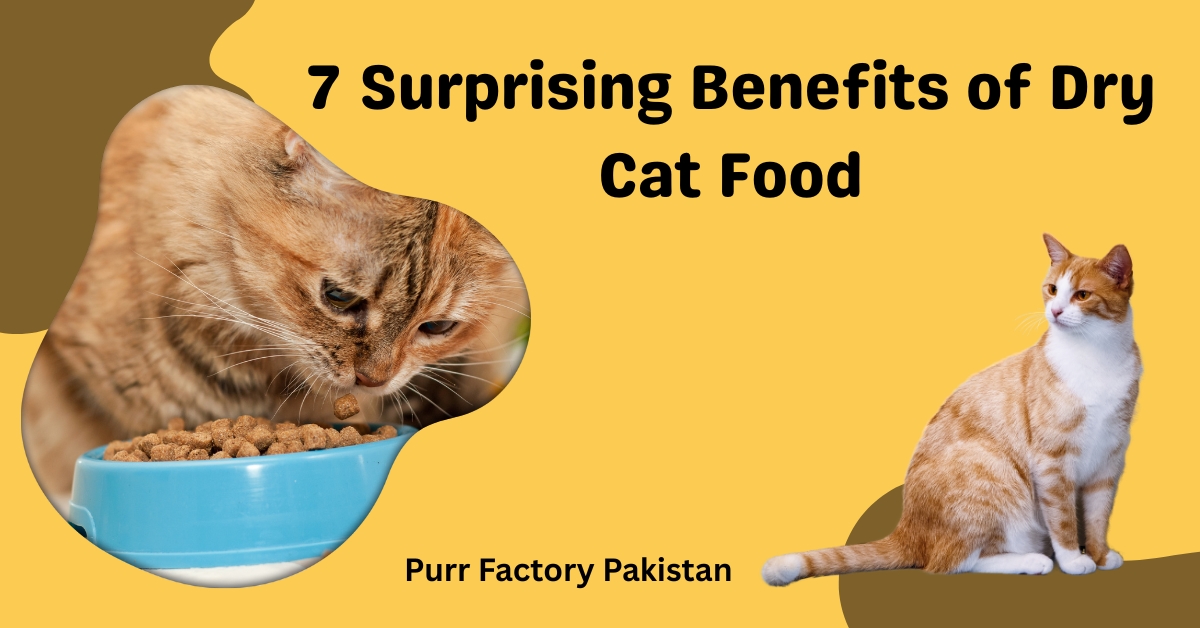
7 Surprising Benefits of Dry Cat Food
Dry Cat Food is one of the most popular choices among pet owners because of its convenience, long shelf life, and cost-effectiveness.
While many cat parents often debate between dry and wet food, dry cat food has its own unique set of benefits that go beyond just being easy to store and serve.
Cats are natural hunters with specific dietary needs, and modern dry food is scientifically formulated to meet those nutritional requirements while also supporting their overall health.
From promoting dental hygiene to aiding in weight management, dry cat food offers advantages that directly impact a cat’s well-being.
It also fits perfectly into the busy lifestyle of pet owners by allowing free feeding without the risk of spoilage.
However, not all dry foods are created equal, and understanding the right way to use them is crucial for your cat’s long-term health.
7 Surprising Benefits of Dry Cat Food
In this guide, we will explain seven surprising benefits of dry cat food and how it can improve your cat’s health, happiness, and daily routine.
1. Promotes Better Dental Health
Dental health is one of the most overlooked aspects of cat care. Cats, like humans, are prone to plaque buildup, gum problems, and other oral issues.
Over time, plaque hardens into tartar, which can cause painful conditions such as gingivitis, tooth decay, and even tooth loss.
These problems not only affect a cat’s ability to chew food comfortably but can also lead to infections that spread to other parts of the body.
Unfortunately, most cats do not get their teeth brushed regularly, which makes preventive care even more important.
Dry cat food naturally helps maintain cleaner teeth. Its crunchy texture provides a scrubbing action while your cat chews, helping to reduce plaque and food debris along the gumline.
Unlike wet food, which tends to stick to the teeth, dry food breaks apart in a way that prevents residue buildup.
Feeding your cat a quality dry food regularly can reduce the need for frequent professional dental cleanings, which can be costly and stressful for both cats and owners.
While dry food alone won’t replace proper veterinary dental care, it plays an essential role in everyday oral hygiene.
For cats that are especially prone to dental issues, there are specialized dental formulas with kibble designed to maximize cleaning benefits.
Regular checkups combined with a consistent dry food diet will go a long way toward keeping your cat’s mouth healthy and pain-free.
2. More Cost-Effective for Cat Owners
Feeding a cat should not create financial strain, especially in homes with multiple pets. Dry cat food is a cost-effective option because it stretches further and costs less per serving compared to wet food.
Wet food often comes in small cans or pouches, which are consumed quickly and require frequent restocking.
In contrast, a single bag of dry food can last weeks, depending on the size of your cat and the number of cats you own. This makes bulk purchasing practical and budget-friendly.
Another financial advantage of dry cat food is its minimal waste. Wet food must be eaten within a few hours after opening or stored in the refrigerator, but even then, it spoils quickly.
Many cats refuse to eat leftovers that have been stored, leading to unnecessary waste and added expense.
Dry food, on the other hand, stays fresh for a much longer time when stored properly, allowing pet owners to pour out only what’s needed without worrying about spoilage.
Over time, these savings add up significantly. By reducing waste, cutting down on restocking trips, and offering long-lasting value, dry cat food helps owners manage their feeding costs without compromising on their cats’ nutrition.
3. Supports Free Feeding for Busy Schedules
Cats naturally prefer to eat small meals multiple times throughout the day, similar to how they would hunt and eat small prey in the wild. However, many owners have busy schedules that make it difficult to feed their pets on a strict timetable.
This is where dry cat food becomes especially useful. It can be left out in a bowl or used with an automatic feeder, allowing cats to graze throughout the day without the risk of spoilage. This approach is known as free feeding.
Free feeding has several benefits beyond convenience. It helps reduce food-related anxiety in cats that become stressed or aggressive when they think food is limited.
It also prevents overeating during single, large meals because cats can return to their bowl whenever they feel hungry.
For multi-cat households, this method ensures that every cat has access to food, even when owners are not home.
While free feeding is not ideal for cats that are overweight or prone to overeating, portion-controlled automatic feeders can solve this problem by releasing small, measured amounts of food at set intervals.
This flexibility makes dry food a perfect solution for pet owners who want to maintain a healthy feeding routine despite their busy lifestyles.
4. Easier Storage and Less Mess
One of the simplest but most appreciated advantages of dry cat food is how easy it is to store and handle. Unlike wet food, which requires refrigeration after opening and careful handling to avoid bacteria growth, dry food can be kept at room temperature in a sealed container.
This makes it a practical choice for households of all sizes, especially those with limited space or multiple pets.
You can store large bags of dry food without worrying about spoilage, and it’s easy to scoop out just the right amount at feeding time.
Dry food also creates less mess during and after feeding. It doesn’t leave sticky residue in bowls, and it produces less odor than wet food.
Cleaning up after meals is quicker and easier, saving you time every day. This benefit is especially important for busy pet owners or families with children who help care for the cat.
Additionally, dry food is lightweight and portable, making it ideal for travel or moving between rooms.
For households that prioritize cleanliness and convenience, dry cat food offers a stress-free feeding experience.
5. Provides Consistent Nutrition
Modern dry cat foods are carefully formulated to provide a complete and balanced diet for cats at all life stages.
Manufacturers design their recipes to meet strict nutritional guidelines, ensuring that cats receive the right balance of protein, fat, carbohydrates, vitamins, and minerals in every serving.
This level of consistency is harder to achieve with homemade meals or mixed feeding routines. With dry food, you can be confident that your cat is getting the same quality and quantity of nutrients with every meal.
Many dry foods are also fortified with essential ingredients that support specific health needs. For example, they may contain taurine, an amino acid vital for heart and eye health, or omega fatty acids that promote a healthy coat and skin.
Some formulas are tailored for kittens, senior cats, or cats with conditions like urinary tract problems or sensitive stomachs.
Because the kibble is uniform in size and composition, it eliminates the guesswork involved in balancing nutrients yourself.
This reliability gives owners peace of mind, knowing their cat’s diet is consistent and nutritionally complete every single day.
6. Helps with Weight Management
Obesity is a common problem among domestic cats, leading to serious health issues such as diabetes, arthritis, and reduced life expectancy.
Dry cat food can be a valuable tool in managing your cat’s weight because it allows for precise portion control.
Feeding instructions on the packaging clearly outline how much food your cat should eat based on their weight and activity level. This makes it easier to track calorie intake and adjust portions as needed.
Many dry foods are also designed specifically for weight management. These formulas typically contain higher fiber content to help cats feel full without consuming excess calories.
The kibble size and shape may also encourage slower eating, which reduces the risk of overeating. For owners concerned about their cat’s weight, pairing dry food with measured feeding times and regular play sessions can lead to noticeable improvements over time.
Maintaining a healthy weight is one of the most effective ways to prevent chronic illnesses and ensure a longer, more active life for your cat.
With the right dry food and feeding plan, weight control becomes much simpler and more sustainable.
7. Encourages Natural Chewing Behavior
Cats have strong jaws and sharp teeth designed for catching and tearing prey. In a domestic setting, they still retain this natural instinct to chew.
Providing dry food satisfies this behavior safely and productively. The crunchy texture of kibble engages cats in active chewing, which strengthens their jaw muscles and supports oral health.
It also provides mental stimulation, as the act of crunching is both satisfying and stress-relieving for cats.
Without an outlet for this behavior, some cats may develop destructive chewing habits, such as gnawing on furniture, wires, or household items.
Feeding dry food helps redirect this instinct toward an appropriate and beneficial activity. For kittens, chewing dry food can also ease discomfort during teething, reducing the likelihood of biting during play.
In this way, dry cat food serves a dual purpose: it nourishes your cat while also fulfilling an important behavioral need.
This makes it an effective part of both physical and emotional care for your feline companion.
Practical Tips for Feeding Dry Cat Food
To maximize the benefits of dry cat food, it’s important to feed it correctly. First, always provide fresh, clean water alongside dry food.
Because dry food has a lower moisture content compared to wet food, cats must drink enough water to stay properly hydrated.
Placing multiple water bowls around your home or using a pet water fountain can encourage frequent drinking.
When introducing dry food to your cat’s diet, do so gradually over a period of about a week.
Start by mixing a small amount of the new food with your cat’s current food, then slowly increase the proportion of dry food each day.
This helps prevent digestive upset and allows your cat to adjust to the new texture and flavor. Storage is another important factor.
Keep dry food in an airtight container to maintain freshness and prevent exposure to pests. Store it in a cool, dry place, and check the expiration date regularly.
Portion control is essential, especially for indoor cats with lower activity levels. Follow the feeding guidelines on the packaging, but also monitor your cat’s weight and adjust as needed.
If you are unsure about the appropriate serving size, consult your veterinarian for guidance. By following these simple tips, you can ensure that your cat receives all the benefits of dry food while maintaining their overall health.

Signs Your Cat Thrives on Dry Food
Monitoring your cat’s response to their diet is key to determining whether dry food is the right choice. A cat that thrives on dry food will display several positive signs.
Their coat will be shiny and smooth, and their eyes will appear clear and bright. Healthy energy levels are another good indicator, as cats on a balanced diet are typically playful and alert.
Digestive health can be observed through firm, consistent stools without excessive odor or irregularities.
Weight stability is equally important. If your cat maintains a healthy weight without noticeable fluctuations, it suggests that the portions and formula are appropriate.
Additionally, a content cat will exhibit normal eating behavior, approaching meals with interest but not excessive urgency or aggression.
If you notice issues such as vomiting, diarrhea, excessive scratching, or sudden changes in appetite, it may indicate that the current dry food is not suitable.
In such cases, a veterinarian can help identify potential food sensitivities or underlying health concerns.
Regular observation and prompt action ensure that your cat continues to benefit from their diet over the long term.
Conclusion
Dry cat food is far more than just a convenient feeding option. It offers a range of benefits that directly support your cat’s health and your daily routine as a pet owner.
From keeping teeth clean and promoting better oral hygiene to managing weight and providing consistent, balanced nutrition, dry food addresses many common challenges that cats face throughout their lives.
Its long shelf life and easy storage make it a practical choice, especially for busy households or families with multiple cats. In addition, it allows for flexible feeding schedules, giving your cat the freedom to eat when hungry without the risk of spoilage.
While dry cat food has many advantages, it’s essential to choose a high-quality formula and always provide access to fresh water to keep your cat hydrated.
Regularly monitoring your cat’s weight, energy levels, and overall health will ensure the diet remains suitable as their needs change over time.
By understanding how to use dry cat food correctly, you can create a feeding plan that supports your cat’s well-being and fits seamlessly into your lifestyle.
This simple yet effective choice can lead to a healthier, happier, and longer life for your feline companion.
Related Articles