- For Ordering Whatsap/Call: +92 3343466336 , Our Delivery Service operates 7-days a week. Place order now!

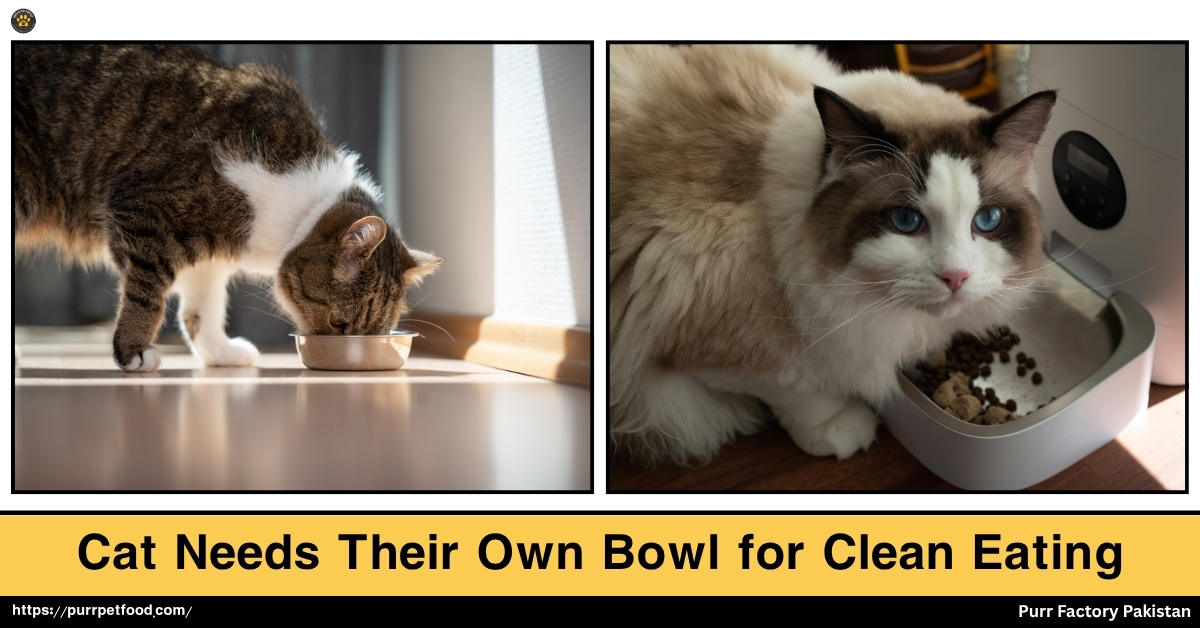
Cat Needs Their Own Bowl for Clean Eating
Cat owners often overlook one simple but crucial habit that can affect their pet’s health eating from their own dedicated bowl.
It might seem harmless to let multiple cats, or even a cat and dog, share the same food or water dish.
But in reality, this small convenience can quietly lead to stress, poor hygiene, infections, and unhealthy eating behavior.
Cats are territorial by nature; they see their feeding bowl not just as a place to eat but as a personal space linked to safety and ownership.
When that space is invaded or shared, it disrupts their comfort and can trigger anxiety or aggression.
Beyond behavior, shared bowls can spread bacteria, hide appetite changes, and make it nearly impossible to track each cat’s nutrition properly.
Maintaining separate bowls for each cat ensures cleaner eating, better health monitoring, and a calmer home environment.
Cat Needs Their Own Bowl for Clean Eating
In this guide, we will explain why every cat needs their own bowl for clean eating and how this small step can make a big difference in their overall well-being.
Cats Are Territorial — Even Over a Bowl
Cats are naturally territorial animals. In the wild, they hunt and eat alone to protect their food source and avoid conflict. This instinct continues even in domestic cats.
When cats share a bowl, they feel a silent sense of competition. One may eat faster or push the other away. You might not notice any hissing or fighting, but the tension is real.
It shows through subtle behaviors like one cat waiting until the other finishes or avoiding the feeding spot completely.
Over time, this can lead to stress, poor eating habits, and even health problems such as vomiting or refusal to eat.
Giving each cat its own bowl creates a calm environment where they can eat without fear or pressure.
It reduces competition, maintains peace, and ensures every cat gets its fair share of food without feeling threatened.
Sharing Bowls Spreads Germs — Fast
Cats have bacteria in their mouths just like humans, and when they share bowls, saliva and leftover food particles carry those bacteria from one cat to another.
Over time, this leads to the spread of harmful germs and even viruses. Diseases like feline calicivirus, feline herpesvirus, and gastrointestinal parasites such as giardia can spread easily through shared bowls.
Even if the cats appear healthy, they can still carry bacteria that cause infections. Studies have shown that pet food bowls are among the dirtiest household items if not cleaned daily.
Germs multiply quickly in food residue and water, especially in warm environments. Using separate bowls prevents the spread of bacteria and keeps each cat’s food and water cleaner.
To maintain hygiene, wash the bowls daily with hot water and mild soap. Clean bowls reduce sickness and promote better overall health for your cats.
Measuring Food Becomes Impossible with Shared Bowls
When cats share a bowl, it’s impossible to know who ate how much. Each cat has different caloric needs depending on their age, size, and activity level.
An adult indoor cat typically requires around 180–200 calories per day, while a young or active cat may need more.
In shared feeding, the dominant cat usually overeats while the quieter one eats less or skips meals. This imbalance can lead to obesity in one and malnutrition in the other.
It also makes it hard to track appetite changes, which are often early signs of illness.
Giving each cat its own bowl allows you to measure portions accurately and monitor their eating habits.
This ensures each cat gets exactly what they need to stay healthy, maintain the right weight, and avoid unnecessary vet visits. Controlled feeding supports balanced nutrition and long-term well-being.
Food Bowl Placement Affects Clean Eating Habits
Where you place a cat’s bowl matters more than most owners realize. Cats prefer to eat in quiet, safe areas away from strong smells or loud noises.
If multiple cats eat side by side, it can cause stress or defensive behavior. Some may eat too fast to finish before another cat approaches, while others may avoid eating altogether.
To create a clean and comfortable eating setup, each cat should have its own bowl in a separate area.
The bowls should be at least two to three feet apart, ideally in different corners of the room or in separate rooms if possible. Using elevated stands can help reduce neck strain and prevent food from spilling.
A well-placed, separate bowl allows cats to eat peacefully, focus on their meal, and maintain cleaner surroundings free from scattered food or mess.
Cats Are Sensitive to Smell — Shared Bowls Smell Wrong
Cats have an extremely strong sense of smell about 14 times more sensitive than humans. They rely heavily on scent to recognize safety, territory, and familiarity.
When another cat’s scent dominates a feeding bowl, it can make the other cat anxious or unwilling to eat. Even if the bowl looks clean, traces of saliva and odor remain.
This smell confusion can cause food avoidance, stress, and sometimes even aggression between cats. Cats are creatures of routine, and a bowl that carries their own scent feels familiar and safe.
The solution is simple: each cat should have a dedicated food and water bowl that is washed regularly. This keeps the scent neutral and fresh, making mealtime more comfortable.
A bowl that “smells right” helps your cat eat calmly, enjoy their food, and stay consistent in their feeding routine.
Water Contamination Is Real
Water cleanliness is just as important as food hygiene. When cats share a water bowl, bacteria, saliva, and fur quickly collect and create a slimy coating known as biofilm.
This film harbors harmful microorganisms that can cause illness or digestive issues. In multi-cat homes, shared water bowls tend to get contaminated faster.
Cats already tend to drink less water than they should, and if the water isn’t clean, they might drink even less, increasing the risk of urinary tract infections or kidney problems.
The best approach is to provide each cat with its own water bowl, cleaned and refilled with fresh water daily. Use stainless steel or ceramic bowls to minimize bacterial growth.
If your cats prefer running water, consider using multiple water fountains placed in different parts of the home. Clean water supports hydration, digestion, and overall cat health.
Helps Detect Health Issues Early
Cats often hide signs of illness, and changes in eating habits are one of the first visible symptoms. When cats share a bowl, it’s impossible to tell who’s eating less or skipping meals.
You lose track of individual behavior, which delays noticing problems like dental pain, stomach issues, or loss of appetite.
Having a separate bowl for each cat makes it easier to spot changes immediately. If one cat stops finishing their portion, eats slower, or refuses food, it’s a clear sign to pay attention and possibly visit a vet.
Monitoring individual eating habits helps detect issues early before they become serious health problems. Simple observation during feeding time gives valuable information about each cat’s health and mood.
Separate bowls act as an early warning system, making it easier to maintain your cat’s well-being through timely care.
Avoiding Cross-Species Feeding Issues (Especially Dogs)
In homes with both cats and dogs, shared feeding is a common mistake. Cats and dogs have completely different dietary requirements.
Cat Food is higher in protein and fat, while dog food lacks essential nutrients like taurine that cats need for heart and eye health.
When dogs eat cat food, it can lead to digestive problems or pancreatitis due to high fat content. When cats eat dog food, they risk nutrient deficiency.
Shared bowls also create confusion and food guarding behaviors between pets. To prevent cross-feeding, always separate their feeding zones.
Feed cats in elevated areas or different rooms, and ensure they have their own bowls that dogs cannot reach.
This ensures both species eat what’s right for them and reduces tension during feeding times. Separate feeding isn’t about being strict it’s about keeping both pets healthy and stress-free.
Proper Hygiene Prevents Chronic Illness
Dirty bowls are breeding grounds for harmful bacteria such as E. coli, Salmonella, and Listeria. These bacteria can make both pets and humans sick.
When bowls are shared and not washed properly, the risk of contamination increases. Over time, poor hygiene can lead to mouth infections, upset stomach, and chronic illness in cats.
The solution is simple: each cat should have its own set of bowls that are cleaned daily. Use hot water and mild soap, or a pet-safe dishwashing method.
Avoid plastic bowls because they develop small scratches that trap bacteria. Instead, choose stainless steel or ceramic bowls that are non-porous and easy to clean.
Regularly disinfect and replace old bowls every few months. Keeping feeding areas tidy and sanitized protects your cat’s digestive health and reduces the spread of germs in your home.
Builds Positive Eating Behavior and Routine
Cats feel most comfortable when they have structure. Feeding each cat separately helps establish a consistent routine. It reduces competition and builds positive eating habits.
When cats know they have their own bowl, they approach mealtime calmly and confidently. They eat at their own pace without rushing or guarding food.
This also allows you to observe their habits better who eats quickly, who takes time, and who leaves food behind.
Feeding at regular times each day in the same spots reinforces stability and reduces anxiety. A stable feeding routine also supports better digestion and prevents overeating.
Over time, your cats will recognize their feeding space and feel secure in their routine.
Separate bowls are not only about hygiene they’re about creating a predictable, low-stress environment that helps cats feel safe and eat properly.
Foundation of “Clean Eating” for Cats
Clean eating for cats isn’t a trend it’s basic hygiene and responsible care. It means providing food in a clean bowl, maintaining fresh water, and ensuring each cat eats without interference.
Shared bowls create mess, confusion, and germs, which go against the idea of clean eating.
Separate bowls help keep food uncontaminated, prevent bacteria buildup, and maintain order around feeding zones.
Clean eating also includes washing bowls daily, removing uneaten wet food after 30 minutes, and regularly refreshing water.
Cats are sensitive to smell and cleanliness, so they naturally prefer eating in clean, organized areas. A proper feeding setup with individual bowls supports their instincts and health.
Clean eating keeps their digestion stable, reduces stress, and helps you maintain a tidy and odor-free home. It’s a simple but powerful habit every cat owner should practice.
Not About Spoiling — It’s About Responsibility
Some people think giving each cat their own bowl is an unnecessary luxury. In truth, it’s a basic responsibility.
Sharing food and water may seem convenient, but it leads to avoidable health and behavioral problems.
Providing separate bowls is about understanding how cats function and creating a comfortable space that fits their nature.
Cats don’t share food in the wild; they shouldn’t have to at home. It’s not pampering — it’s prevention. It prevents fights, reduces disease risk, and supports their emotional comfort.
The cost of extra bowls is minimal compared to potential vet bills caused by infection, malnutrition, or stress. Being a responsible cat owner means meeting their needs, not just their wants.
A dedicated bowl for each cat shows care, awareness, and respect for their individuality. Small choices like this make a big difference in long-term health.
How to Choose the Right Bowl (No Overthinking Needed)
Choosing the right bowl for your cat doesn’t have to be complicated. Focus on hygiene, comfort, and durability.
The best options are stainless steel or ceramic because they don’t hold bacteria and are easy to clean. Avoid plastic bowls, which can cause chin acne and hold odors.
Choose a shallow bowl about one to one and a half inches deep to prevent whisker stress, where whiskers touch the sides uncomfortably.
Make sure the bowl is wide enough for easy access. If your cat tends to push their bowl, use one with a non-slip base or a weighted design.
Keep food and water bowls separate to avoid spills and contamination.
Clean them daily, replace them every few months, and always check for cracks or residue. The right bowl setup ensures cleanliness, safety, and a positive eating experience for your cat every day.
What Happens When You Make the Switch
When you switch to giving each cat its own bowl, you’ll quickly notice changes in behavior and health.
Cats become more relaxed at mealtime, eat more evenly, and show fewer signs of stress or guarding. You’ll see less mess around the feeding area and fewer conflicts between pets.
Each cat will start eating at its own pace, which helps digestion and prevents overeating. Monitoring food intake becomes easier, allowing you to track appetite and adjust portions when needed.
You’ll also notice cleaner bowls, fresher smells, and better hygiene in general. Over time, this simple change supports a healthier, more balanced household for both you and your pets.
It doesn’t take long for cats to adapt they quickly learn where their bowl is and take comfort in that routine. One bowl per cat means less stress, better hygiene, and a happier home.
Conclusion
A clean, dedicated bowl for each cat isn’t an optional choice it’s a fundamental part of responsible cat care.
When cats share bowls, it creates unnecessary competition, stress, and hygiene risks that can quietly damage their health over time.
Separate bowls promote calm, controlled eating and help owners track each cat’s appetite and diet accurately.
This simple habit prevents bacterial spread, reduces fights, and keeps food and water free from contamination. It also allows cats to eat comfortably without feeling threatened or rushed.
Maintaining individual bowls ensures cleaner feeding areas, fewer illnesses, and stronger daily routines.
The investment is small, but the payoff is long-term health, better behavior, and overall peace in the home.
Cats thrive in stability and cleanliness, and this starts right where they eat. Giving each cat their own bowl isn’t spoiling them it’s giving them the comfort, respect, and hygiene they naturally deserve.