- For Ordering Whatsap/Call: +92 3343466336 , Our Delivery Service operates 7-days a week. Place order now!

Cat Health Red Flags That Point to Cancer
Cat owners often think of their furry companions as independent, self-sufficient creatures — but when it comes to health, that independence can work against them.
Cats are naturally skilled at masking discomfort or illness, which means serious conditions like cancer can progress quietly until the signs become hard to ignore.
In fact, feline cancer is one of the leading causes of death in older cats, and early detection often makes the difference between successful treatment and late-stage struggle.
Understanding what to look for isn’t about fear it’s about vigilance.
Recognizing small changes in your cat’s weight, behavior, appetite, or physical appearance could help you identify red flags before it’s too late.
As a responsible owner, staying alert to these signs can dramatically improve your cat’s quality of life and even extend it.
Cat Health Red Flags That Point to Cancer
In this guide, we will explain the critical red flags that may indicate cancer in cats — and what every cat owner should do next.
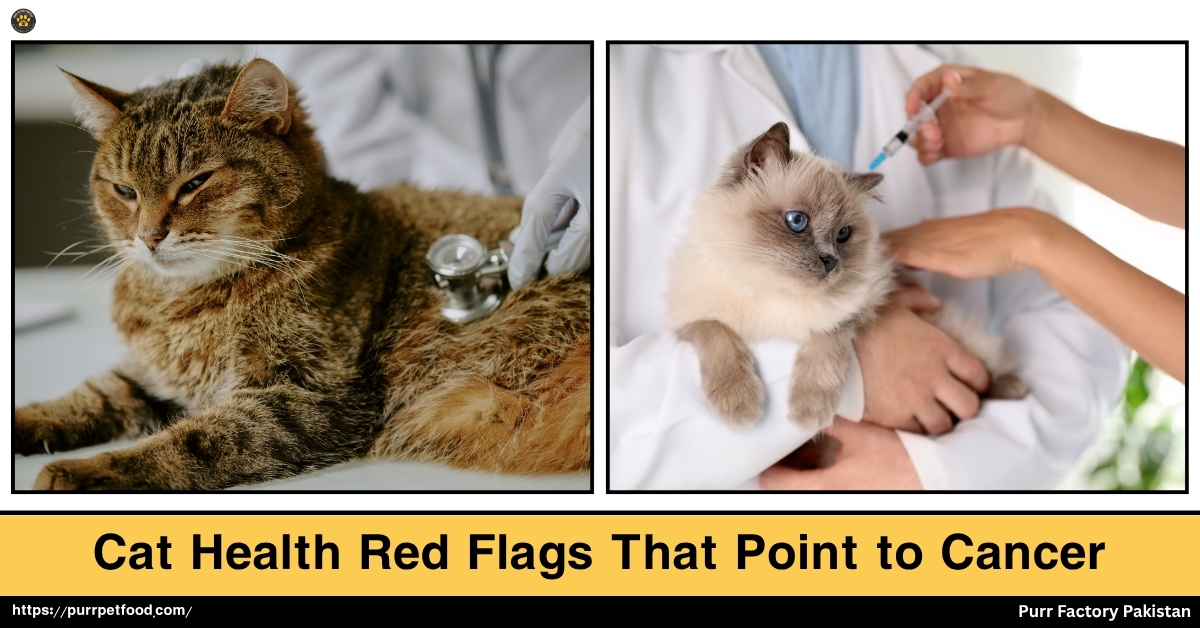
Why Awareness Matters
Cancer is one of the most common health threats in cats, especially as they age. According to veterinary data, nearly 1 in 5 cats will develop some form of cancer during their lifetime.
Unlike other illnesses, cancer often grows silently, with symptoms that may seem mild or unrelated at first.
Cats are naturally good at hiding pain or weakness, which makes detection difficult. This is why awareness matters it allows owners to notice subtle changes early.
When spotted in time, some cancers can be treated or managed, improving both survival chances and quality of life.
Regular observation of your cat’s eating, grooming, and movement habits can serve as a powerful early detection system.
Awareness isn’t just about knowing the signs it’s about acting fast when something seems off.
Delaying a vet visit often means the disease progresses unnoticed, making treatment more difficult later.
1. Lumps or Bumps
One of the most noticeable physical warning signs of cancer in cats is the presence of lumps or bumps under the skin.
Not all lumps are dangerous some may be benign cysts or fatty deposits but any new or growing lump deserves professional attention.
Cancerous lumps usually feel firm, irregular, and may increase in size quickly. They can appear anywhere, but areas around the shoulders, hips, or belly are common.
Some may be painful or cause your cat to lick or bite the area repeatedly. The safest approach is to gently check your cat’s body during grooming or petting.
If you notice a lump that wasn’t there before, or if an existing one changes in shape, texture, or size, contact your vet immediately.
The vet will typically perform a fine-needle test or biopsy to determine if it’s malignant. The key takeaway: never ignore a new lump. Early testing is better than late discovery.
2. Weight and Appetite Changes
Sudden or gradual changes in weight and appetite are red flags that shouldn’t be ignored. Many cat owners assume weight loss is just part of aging, but it can be one of the first visible signs of an internal illness like cancer.
A cat losing weight despite eating normally, or refusing food altogether, needs immediate evaluation.
On the other hand, some cats may appear bloated or gain weight due to fluid buildup caused by internal tumors.
Cancer can interfere with metabolism, digestion, or nutrient absorption, which explains these fluctuations. You may also notice your cat becoming pickier, eating smaller portions, or refusing Dry Food.
Track their eating habits and body shape weekly consistent loss or gain should trigger a vet check. Even minor changes, if persistent, indicate something more than just dietary preference.
Monitoring your cat’s weight is one of the easiest ways to catch problems early before they escalate into major health issues.
3. Litter Box Changes
A cat’s litter box behavior offers valuable insight into its health. Cats are creatures of habit; any change in urination or defecation can point to underlying medical problems.
When it comes to cancer, tumors affecting the kidneys, bladder, intestines, or colon can disrupt normal waste patterns.
Warning signs include straining to urinate, frequent trips to the box with little output, blood in urine or stool, diarrhea, or constipation that doesn’t improve.
Some cats may start urinating outside the box out of pain or discomfort. You may also notice changes in stool size or texture, or foul-smelling waste.
While these symptoms can also result from infections or diet issues, persistent problems require veterinary evaluation.
The vet might perform urine or stool tests, ultrasound, or X-rays to detect internal abnormalities.
The main point is consistency if litter box issues continue for more than a couple of days, it’s not a behavioral issue but a potential sign of disease that needs prompt attention.
4. Mouth and Eating Problems
The mouth can reveal early signs of serious illness, including cancer. Oral cancer is one of the most aggressive types found in cats, and early detection is crucial.
Warning signs include excessive drooling, bleeding from the mouth, foul breath, visible sores on the gums or tongue, difficulty chewing, or dropping food while eating.
Your cat may also start pawing at its mouth or show reluctance to eat hard food. Sometimes swelling along the jaw or under the tongue can be felt.
Oral tumors can make swallowing painful, causing the cat to eat less or avoid food completely. You might also notice a sudden preference for soft or wet food.
Checking your cat’s mouth regularly helps you notice changes early. If any sore, lump, or discoloration doesn’t improve within a few days, schedule a vet visit.
Most oral cancers spread quickly, so waiting can reduce treatment options. Persistent mouth issues always need immediate medical attention.
5. Breathing or Movement Issues
Changes in breathing or mobility often point to internal problems that may include cancer. Tumors in the lungs or chest cavity can cause shortness of breath, wheezing, or coughing.
A cat that suddenly becomes winded after minimal activity or breathes with an open mouth is signaling distress.
Likewise, cancers that affect bones or muscles can lead to limping, stiffness, or reluctance to jump.
Many owners assume a cat’s slower movement is just due to age, but if it happens suddenly or worsens rapidly, it needs evaluation.
Bone cancer, for example, can cause localized swelling or visible deformity. Breathing issues may also indicate fluid buildup from tumors pressing on the lungs or heart.
Always observe your cat’s posture and breathing patterns at rest shallow or rapid breathing should never be ignored.
When in doubt, get a vet’s opinion right away. Difficulty moving or breathing is a clear signal that something serious is happening internally.
6. Skin or Ear Sores
Skin problems can sometimes signal underlying cancer, especially if wounds don’t heal normally. A sore, scab, or ulcer that persists for more than two weeks should be examined.
Cats with light-colored fur or those who spend time outdoors are more prone to sun-related skin cancers, particularly on the ears, nose, and eyelids.
Watch for crusty or thickened patches, bald spots, or any area that oozes or bleeds repeatedly.
Similarly, lesions on the ear tips that worsen or change color may point to squamous cell carcinoma, a common feline skin cancer.
These growths may start small but can become invasive if ignored. Gently check your cat’s skin while grooming, paying attention to areas they scratch or lick frequently.
If you notice a sore that won’t heal, or a patch that looks different from the surrounding skin, book a vet appointment.
A simple skin biopsy can determine if it’s cancerous and guide further treatment if needed.
7. Behavior and Energy Changes
Behavioral changes are often the earliest and most easily missed red flags of illness. A cat that becomes withdrawn, hides frequently, or sleeps more than usual might be signaling pain or discomfort.
Similarly, a normally playful cat that suddenly loses interest in toys or human interaction could be unwell. Cancer can cause fatigue due to the body’s increased energy demands and internal stress.
You might also notice changes in grooming habits: a cat may stop cleaning itself properly, leading to a dull or matted coat.
Sometimes cats will vocalize differently or become more irritable when touched in certain areas. These subtle behavioral cues reflect how the cat feels physically.
Owners often misinterpret these shifts as personality changes or aging, but prolonged low energy is rarely normal. Keep track of your cat’s daily behavior.
If they act “off” for more than a few days especially with other symptoms — seek veterinary advice immediately.
What Triggers Cancer
There’s no single cause of cancer in cats, but several factors increase the risk. Age is one of the biggest — cancer is more common in older cats because their cells have undergone more cycles of repair and mutation.
Genetics also play a role; some breeds are more predisposed to specific cancers. Environmental factors matter, too.
Prolonged exposure to sunlight raises the risk of skin cancer, especially in white or light-colored cats.
Cats living in homes with tobacco smoke exposure also face higher chances of developing oral or lung cancers.
Viral infections such as Feline Leukemia Virus (FeLV) and Feline Immunodeficiency Virus (FIV) are proven contributors to certain cancers, particularly lymphoma.
Chronic inflammation or repeated injuries in one area can also lead to tumor formation over time.
While you can’t eliminate all risks, keeping your cat indoors, providing a balanced diet, and regular vet checkups can significantly lower the chances of developing serious conditions.
What to Do Next
If you notice one or more of these red flags, act quickly but calmly. Early action can mean the difference between a treatable condition and late-stage disease.
Start by documenting what you observe note the size of any lump, changes in eating habits, or behavior differences. Take clear photos if possible.
Contact your veterinarian as soon as possible and explain the symptoms clearly. The vet may recommend diagnostic tests like bloodwork, X-rays, ultrasound, or biopsies to identify the problem.
Even if it turns out not to be cancer, these tests can reveal other treatable conditions. Never try home remedies or wait to “see if it goes away” cats rarely show symptoms unless the issue is already serious.
After diagnosis, follow your vet’s treatment plan closely. Routine checkups every six to twelve months can help detect early signs before they progress.
Remember: early attention is your best defense in keeping your cat healthy and cancer-free.
Conclusion
Cancer in cats is a serious condition, but it doesn’t have to be a silent killer.
The key lies in awareness, observation, and timely action. Most cats are experts at hiding pain, which means by the time obvious symptoms appear, the disease may already be advanced.
This is why consistent monitoring of weight, appetite, grooming habits, activity levels, and physical changes is crucial.
Simple routines like checking for lumps during petting, noting shifts in behavior, or observing litter box habits can uncover early warning signs.
Early detection not only improves treatment success but can also extend your cat’s comfort and lifespan.
Regular veterinary visits, especially for older cats, are equally important for catching hidden issues before they become serious.
As a cat owner, your vigilance is your pet’s best defense.
Don’t wait for visible suffering trust your instincts when something feels wrong. Early action can make the difference between managing illness and losing precious time.