
How to Make Cat Food More Appetizing
Cat Food plays a direct role in how well your cat eats, behaves, and stays healthy. But many owners struggle when their cat turns away from a bowl that seems perfectly fine.
The truth is simple: cats judge food differently than humans. They rely more on smell, texture, freshness, moisture, and routine.
If any of these elements feel off, even slightly, they lose interest fast.
The good part is that appetite issues are usually easy to fix once you understand what actually matters to a cat.
Small adjustments in temperature, environment, and food preparation can completely change how your cat responds at mealtime.
How to Make Cat Food More Appetizing
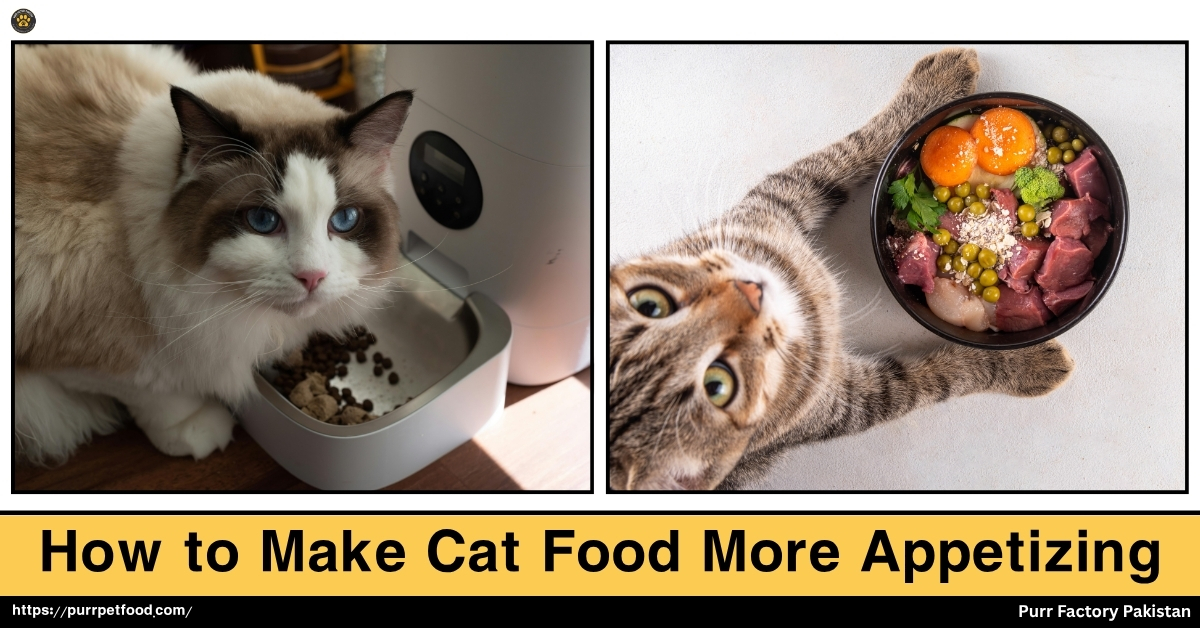
In this guide, we will explain how to make Cat Food more appetizing using simple, practical, and proven methods.
Why Cats Reject Food in the First Place
Cats reject food for reasons linked to smell, texture, temperature, freshness, and routine. Their sense of smell is the main trigger for eating, so if the aroma is weak, they lose interest immediately.
Cold food, stale kibble, or food exposed to air for too long loses scent strength, which makes it unappealing.
Texture also plays a major role because some cats want crunchy food while others prefer moist and soft meals. A mismatch leads to refusal even if the flavor is fine.
Environmental stress also affects appetite. Loud noises, new people, new pets, or changes in routine can make a cat avoid the bowl.
Dirty bowls or bowls made of materials that hold odors can also discourage cats from eating.
Health issues like dental discomfort, digestive upset, or minor infections may also cause a sudden drop in interest.
Understanding these basic triggers helps you fix the issue faster and more confidently.
How to Make Cat Food More Appetizing
Making cat food more appetizing requires simple changes that align with natural feline eating behavior. Warming the food slightly increases aroma release, which immediately boosts interest.
Adding a small amount of warm water, broth, or tuna water softens the meal and enhances scent.
Mixing a bit of wet food with dry food creates texture and moisture variety, which many cats respond well to.
Toppers such as freeze-dried meat crumbs or fish powder increase smell and flavor without changing the diet drastically.
Serving small, fresh portions prevents the food from drying out or losing aroma throughout the day. Rotating proteins within the same brand keeps meals interesting without causing stomach issues.
Creating a calm feeding area away from noise or other pets helps your cat focus on eating. Using stainless steel or ceramic bowls prevents odor buildup, making meals more appealing.
A consistent feeding schedule also helps because cats eat better when their body expects food at the same time daily. These simple adjustments collectively improve appetite long-term.
Signs Your Cat Finds Food Appetizing
When food becomes more appealing, the signs show up immediately in daily behavior. A cat that approaches the bowl quickly and begins eating without hesitation is responding positively.
Reduced sniffing time and fewer pauses during eating indicate that the texture and aroma feel right.
If the cat finishes more of the meal than usual or returns to the bowl later to check for leftovers, it means the food is meeting their expectations.
Regular interest during scheduled feeding times also shows that the food matches their natural hunger cycle.
You may also notice a more relaxed posture while eating, such as calm tail movement or steady chewing without interruptions.
When these behaviors appear consistently, it confirms that the changes made to improve meal appeal are working effectively.
Tracking these signs helps you understand which techniques to keep using and which ones aren’t necessary.
Feeding Mistakes That Make Food Less Appetizing
Several common mistakes quickly reduce the appeal of cat food. Leaving wet food out too long causes it to dry, lose moisture, and weaken its smell, which makes cats reject it.
Offering large portions that sit in the bowl for hours leads to oxidation, which affects taste and scent.
Serving food straight from the fridge makes it too cold, and cold food doesn’t release enough aroma.
Switching brands or formulas too fast can cause digestive issues or make the cat suspicious of the new taste and texture.
Using plastic bowls traps old odors even after washing, and this smell can mix with the food and make it unappealing.
Strong-scented cleaning chemicals used near feeding areas can overpower the smell of food, pushing the cat away.
Placing the feeding bowl close to the litter box or in high-traffic areas increases stress, and stressed cats eat less.
Avoiding these mistakes helps maintain consistent interest and reduces unnecessary meal-time frustration.
When to Worry About Appetite Changes
A temporary drop in appetite can be normal, but certain situations require immediate attention.
If your cat refuses food for more than 24 hours, you should take the situation seriously because cats can develop complications from extended fasting.
Overweight cats are especially at risk of hepatic lipidosis, a liver condition triggered by not eating. Sudden changes in behavior, such as hiding, low energy, unusual quietness, vomiting, or diarrhea alongside appetite loss, indicate a possible medical issue.
Visible discomfort while chewing can point to dental problems, which commonly affect feeding. Any rapid weight loss or refusal to eat their favorite foods should not be ignored.
Even mild Dehydration can reduce appetite, so watch for signs like dry gums, low water intake, or lethargy.
If your cat shows any combination of these symptoms, contacting a veterinarian promptly is the safest step. Early intervention prevents minor problems from turning into serious health complications.
Conclusion
Improving a cat’s appetite is not complicated once you understand how cats evaluate their food. Their interest depends on smell, texture, temperature, freshness, and the environment you serve the meal in.
When any of these elements are off, even slightly, cats react by avoiding the bowl. The good part is that most appetite issues can be fixed with simple adjustments.
Warming the food, adding moisture, rotating proteins within the same brand, keeping bowls clean, and serving fresh portions all make a noticeable difference.
Creating a calm feeding space and following a stable schedule also support better eating habits.
Watching your cat’s behavior is the best way to know what’s working. Quick eating, fewer pauses, and consistent interest during meal times show that your changes are effective.
At the same time, ignoring long-term appetite loss is risky, so always pay attention to warning signs that may need a vet check.
By applying these straightforward methods and avoiding common feeding mistakes, you can make cat food more appetizing, reduce daily feeding struggles, and help your cat maintain steady, healthy eating patterns.